Top 10 Tips From a Tiling Contractor
In the field of tiling, precision and expertise are paramount. AV Tiling Waikatio are rated the best tiler in Hamilton
As professional tiling contractors we understand that achieving a flawless finish requires not only skill but also meticulous planning and execution. The complexity of tile installation—from selecting the appropriate materials to ensuring even spacing and alignment—necessitates a deep understanding of industry best practices. This article aims to distill the essential knowledge and experience of seasoned tiling contractors into actionable tips that can elevate your tiling projects, whether you are a seasoned professional or an aspiring DIY enthusiast.The importance of using the right tools cannot be overstated in tiling work. Each tool serves a specific purpose, from cutting tiles with precision to ensuring uniform grout lines. Without these indispensable tools, even the most skilled contractor may struggle to achieve optimal results. Furthermore, surface preparation is a crucial yet often overlooked step in the process. A well-prepared surface ensures that tiles adhere properly and remain durable over time.
Additionally, awareness of common pitfalls can significantly enhance the quality and efficiency of your work. Mistakes such as improper adhesive application or incorrect tile placement can lead to costly repairs and diminished aesthetic appeal. To assist you in navigating these challenges, this article will provide valuable insights into essential tools for a smooth tiling job, effective methods for preparing surfaces for tile installation, and common mistakes to avoid when embarking on your next tiling project.
Essential Tools for a Smooth Tiling Job
Alright, if you're gearing up for a tiling project, there are some key tools you'll need to make sure everything goes smoothly. Trust me, you don't want to start without these essentials. First off, a good quality tiling trowel is a must-have. It's what you'll use to apply the adhesive or mortar on the wall or floor. Make sure you get one that's appropriate for the type of tile you're using—it's not a one-size-fits-all scenario here.
Once you've got your tiles in place, you'll need a grout float to work that grout into the gaps between your tiles. This tool helps spread the grout evenly and forces it down into those spaces, which is crucial for stability and longevity. And speaking of even spacing, don't forget tile spacers! These little guys are essential for keeping your lines straight and ensuring consistent gaps between tiles. Trust me, eyeballing it just won’t cut it or you'll end up with uneven lines that'll haunt you every time you glance at your handiwork.
For cutting tiles to fit edges or awkward spaces, you'd be lost without a reliable tile cutter or wet saw. A tile cutter works well for straight cuts on smaller jobs, but if you're dealing with larger projects or thicker tiles, investing in a wet saw can save you tons of time and frustration—it’s basically like slicing through butter compared to hacking away forever with manual tools.
Before diving headfirst into laying those beautiful tiles though, there's some prep work that's equally important.
Preparing Your Surface for Tile Installation
Got your tools ready? Great! Let's dive into the nitty-gritty of preparing your surface for tile installation. Proper surface preparation is the foundation of a successful tiling project, and trust me, it's not something you want to skimp on. Whether you're working on walls or floors, ensuring a clean and stable base will make all the difference.
First off, let's talk about tile installation surfaces. It's crucial to inspect your substrate for any irregularities. Uneven spots can be a nightmare down the line, causing tiles to crack or shift. For flooring surfaces, using a primer designed specifically for this purpose can create an optimal bonding layer. Make sure you’re not dealing with any moisture issues—substrate moisture control is essential to prevent mold and mildew growth under your beautiful new tiles.
When it comes to walls, cleaning is key. Any dust, grease, or old adhesive must be thoroughly removed before you even think about slapping on that first tile. Using a wall surface cleaner that's appropriate for your specific type of wall will ensure better adhesion and longevity of the tiles.
Once you've nailed down that prep work, you're in good shape to start laying those tiles without running into major hiccups later on. But before we get too far ahead of ourselves, let’s cover some common mistakes folks often make during tiling projects.
Common Mistakes to Avoid When Tiling
All right, so you’ve got your surface prepped and ready to go. But before you dive into the tiling process, let’s talk about some common pitfalls you might encounter along the way. Even seasoned pros can slip up sometimes, so it's crucial to be aware of these potential mistakes.
One of the most frequent issues beginners face is with grout. Whether it's applying too much or too little, it’s easy to misjudge. Too much grout can ooze out and mar the look of your tiles while too little won't do its job of filling in gaps properly. Make sure you follow the manufacturer’s instructions carefully and take your time to smooth it out evenly.
Uneven tiles are another headache that can arise if you're not careful. This often happens due to adhesive issues—either using an insufficient amount or not spreading it uniformly. You don’t want one corner higher than another; it disrupts both aesthetics and function. A simple tip is to use spacers and a level tool frequently throughout your installation.
Cutting problems are also a common hurdle for DIY enthusiasts. Tiles that aren’t cut correctly can lead to unsightly gaps or irregular edges that ruin the overall look of your project. To avoid this, ensure you’re using proper tile-cutting tools and techniques—and practice on a spare tile first if you're unsure.
Paying attention to these details will save you a lot of trouble down the line, making your tiling project smoother and more enjoyable. So keep these tips in mind as you get started!
Tiling can seem like a daunting task, but with the right tools and some careful preparation, it becomes much more manageable. Remember to gather all necessary tools before starting – it’s truly half the battle. A high-quality tile cutter, level, and notched trowel will make your life so much easier and ensure your tiles are laid down perfectly.
When it comes to preparing your surface, don’t skimp on this step. A well-prepared surface is key to a successful tiling job. Make sure it's clean, dry, and smooth before you start laying down tiles; this will prevent future headaches like tiles lifting or cracking. It might take some extra time upfront but trust me, it’s worth it in the long run.
Finally, avoid common tiling mistakes by double-checking your measurements and using spacers to maintain consistent gaps between tiles. Don’t rush through grouting either; neat grout lines can make or break the final look of your project. With these tips in mind, you're set for a successful tiling adventure that you’ll be proud of!
Read our latest blog posts

Ceramic vs. Porcelain Tiles
How Do I Know if My Tiles Are Ceramic or Porcelain Identifying whether your tiles are ceramic or porcelain
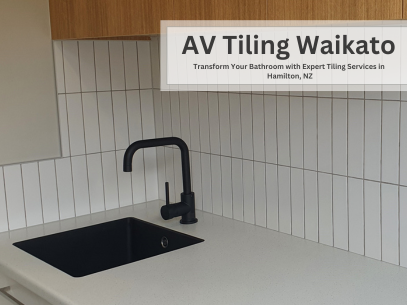
Are There Any Specific Tile Patterns or Designs Recommended for Small Bathrooms or Kitchens?
Space Savvy Solutions Design Tips for Small Bathroom and Kitchen Tiling Patterns In the realm of interior design, optimizing
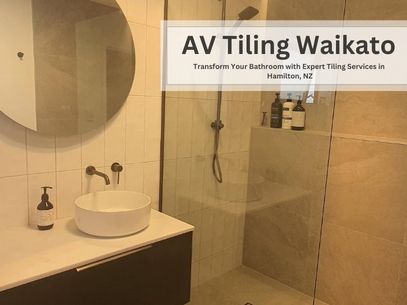
10 Top Bathroom Design Tips
Sprucing up a bathroom is a fantastic idea – it’s like creating your very own retreat within your home. I've